
Platelet-Rich Plasma Therapy--Asheville, NC
Just What Your Body Needs
Platelet-rich plasma, or PRP, is by far one of the most popular and well-researched treatments used for regenerative medicine. Why? Because it has been shown time and time again to be able to help patients quickly heal from both acute and chronic injuries, and it is also extremely safe and causes virtually no side effects. Dr. Pinkston offers a wide variety of treatments that use PRP, and to learn a little more about it to see if it might provide the relief you’ve been searching for, read on below or schedule a consultation today.
Why Choose Dr. James Pinkston for Platelet-Rich Plasma Therapy?
- Specialist in Neuromusculoskeletal Treatment & Anatomy
- All Injections Performed with Ultrasound Guidance
- Wide Variety of Treatment Options
PRP—The Basics
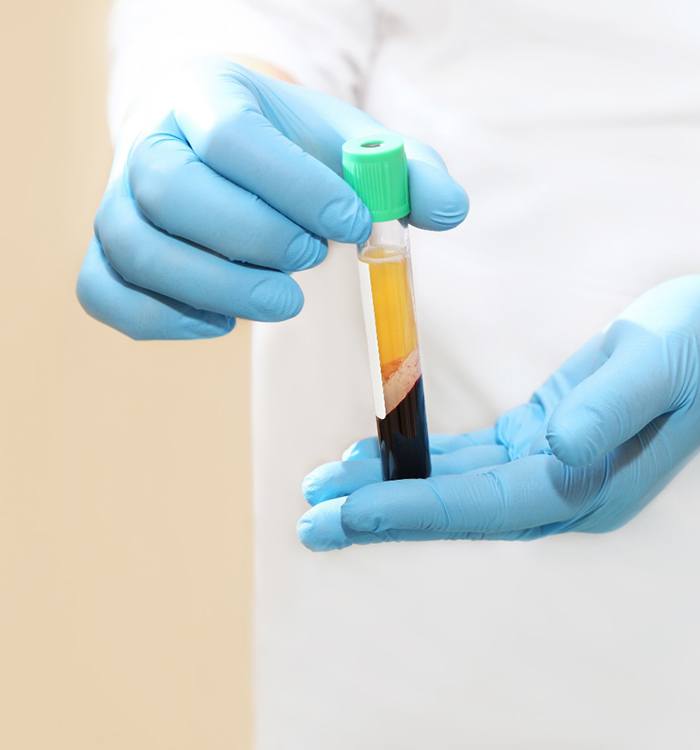
You likely learned what platelets were in school, which are the compound in your blood that enables it to clot. So what exactly is platelet-rich plasma then?
It’s actually made by taking a small sample of a patient’s blood (about the same amount needed for a routine test) and spinning it in a centrifuge. This causes the liquid plasma, which is mostly water, to separate from a thicker, yellow substance. This is the PRP, and not only does it contain a much higher concentration of platelets than regular blood, but it also has several growth factors that the body uses for healing.
Once the PRP is ready, it can be injected into injured tissue in order to kickstart and accelerate the healing process.
How PRP Heals the Body
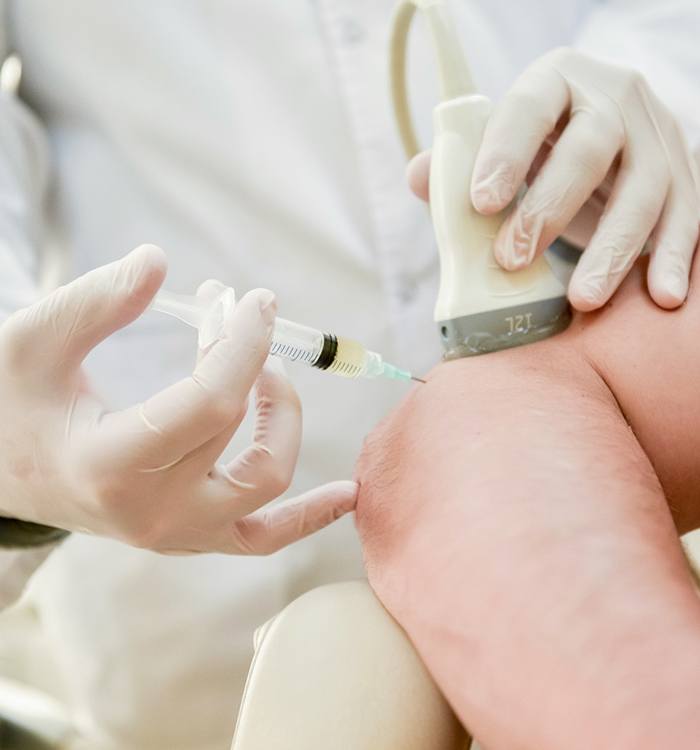
Essentially, PRP is like giving your body “premium fuel” to heal, and it’s placed exactly where it’s needed most. The growth factors (which are a combination of several proteins and some hormones) are what your body already uses to regenerate new, healthy tissue. By placing PRP into injured tissue, this enables a patient to heal much faster than they could otherwise.
As a result, inflammation is reduced, pain goes and stays away, and strength and mobility are restored at an accelerated rate. After a treatment, a patient will begin to notice a difference after about two to three weeks. Beyond that, the results should continue to improve, and they can be trusted to last for several months and even up to a year before any type of follow-up is needed.
Conditions That Can be Treated by PRP
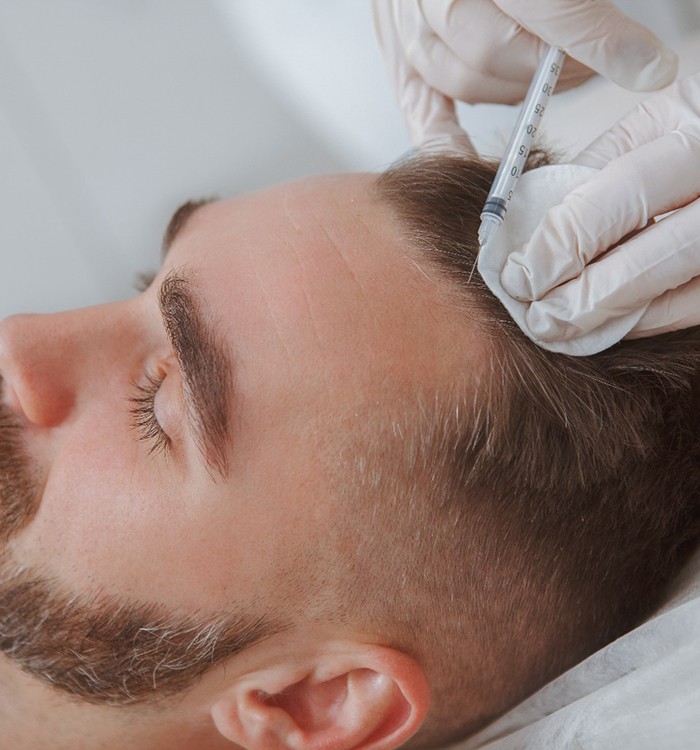
Right now, PRP is being studied intensely across the globe, and all of the data points to one conclusion: it works! There are studies where it has been used on virtually every part of the body to help with a broad range of conditions, and at Asheville Non-Surgical Orthopedics, Dr. Pinkston can use PRP to treat patients dealing with:
- Neck pain
- Shoulder pain (rotator cuff)
- Carpal Tunnel Syndrome
- Back pain (upper, mid, and lower)
- Hip pain
- Knee pain
- Ankle pain
- Foot/heel pain (plantar fasciitis)
- Elbow pain (Golfer’s Elbow/Tennis Elbow)
- Osteoarthritis (OA)
- Slow healing wounds due to diabetes or other conditions
- Sexual health issues for both men and women
PRP Frequently Asked Questions

If you’re like most people, you may only be slightly familiar with PRP, so you likely have a lot of questions about it. We love informing our patients and empowering them with knowledge, so below, you’ll find answers to some of the most popular PRP-related questions we receive every day.
What conditions can be treated using PRP?
PRP can be used to address a wide variety of musculoskeletal injuries, including mild to moderate tears in tendons, ligaments, and muscles. It can also help those dealing with pain and stiffness associated with joint issues like osteoarthritis. PRP can reduce inflammation and swelling in the area so the surrounding tissues and muscles can heal, which will not only help with pain, but strength, mobility, and function as well.
How long does PRP treatment take?
On average, a single PRP treatment takes about one to two hours from when you walk into our office to the moment you leave. This will include collecting your blood sample, creating the PRP, and injecting it into your body using ultrasound guidance. You’ll also need to visit us at least once before your initial treatment so Dr. Pinkston can give you an exam and help you determine whether or not PRP would be right for you.
Does PRP treatment hurt?
All in all, PRP treatment is very comfortable when administered by a properly trained doctor. Dr. Pinkston will use anesthetic to numb the area beforehand, and because every injection he performs is done so with guidance, this will ensure the needle goes right where it is needed the first time. A patient might experience a slight tingling or burning sensation in the area right afterward, but this should go away quickly.
How long before I notice the results of a PRP treatment?
It may take a few weeks or even over a month before a patient begins to notice the results of a PRP treatment. This is because the substance and body need time to work together and heal, and depending on the extent of someone’s injury, the timeline can vary. The good news is that once a patient starts to feel the results, they should continue to improve over the ensuing weeks, and patients can expect results to last for several months.
Is PRP treatment covered by insurance?
Right now, most medical insurance plans do NOT offer coverage for PRP therapy, or if they do, only when it is used to treat very specific conditions. Most patients should anticipate not being able to use their insurance. However, if you need help paying for treatment, you can sign up for flexible, low-to-no interest financing with Varidi or Proceed Finance through our website. To learn more, click here.
Who Is Not a Candidate for PRP Therapy?
Dr. Pinkston and our team will thoroughly screen you for any contraindications that might mean PRP therapy is not right for you. Here are some things that we will take into account:
- If you have a condition that affects your blood, such as a platelet dysfunction disorder, anemia, or certain types of cancers, you may not qualify for PRP therapy.
- People who are actively fighting infections, especially at the site of the planned treatment, are also not suitable candidates.
- PRP therapy relies on your body’s own healing mechanisms, so situations where your immune system is significantly compromised may limit your eligibility.
- You should inform our team if you take blood thinners or have chronic liver disease, as these factors can impact the effectiveness of PRP treatment.
- Uncontrolled diabetes may negatively affect the outcome of your PRP therapy.
Will I Be Able to Drive Myself Home after My PRP Therapy Session?
Following your PRP therapy session for musculoskeletal conditions, you will probably be able to drive yourself home. We use a local anesthetic, which minimizes discomfort during the process; you will not receive general anesthesia or sedatives that would impair your ability to operate a vehicle.
Some patients notice mild soreness or stiffness at the injection site, but these sensations typically do not prevent patients from driving. If you feel anxious about driving or if your treatment involves complex sites like the spine or hip, you may prefer to have someone accompany you and help you get home safely.
How Much Blood Is Taken for PRP Therapy?
We typically draw between 15 and 60 milliliters of blood for PRP therapy. This amount is comparable to what you might provide during routine laboratory work. Of course, the specific volume of blood taken depends on the treatment site, the severity of your condition, and other factors. The blood draw takes only a few minutes and is performed in a safe, clinical environment with sterile techniques.
What Other Treatments Are Used Alongside PRP Therapy to Maximize Results?
To optimize your recovery and outcomes from PRP therapy, we often recommend a comprehensive treatment approach. Depending on your unique situation, Dr. Pinkston may suggest that you complement your PRP with physical therapy, other forms of regenerative medicine, or certain lifestyle changes at home.
Our team may also encourage you to focus on proper nutrition; eating a balanced diet can support blood health, which in turn may optimize the results of PRP therapy. Some foods that can support the success of PRP therapy include leafy greens, berries, lean proteins, lentils, and other nutrient-dense items. It is generally best to avoid alcohol and ultra-processed foods that are known to cause inflammation.