
Sciatica Asheville
Effective Relief for Sciatica Pain
Do you often experience shooting pain, numbness, or tingling in one of your legs? It is possible that you have sciatica. While this condition can be frustrating and even debilitating at times, there is hope! At Asheville Non-Surgical Orthopedics, Dr. Pinkston and our team offer minimally invasive care that may bring significant relief. Continue reading below to learn more about sciatica and how we may be able to help. Or, you are welcome to contact us directly to set up a consultation.
What Is Sciatica?
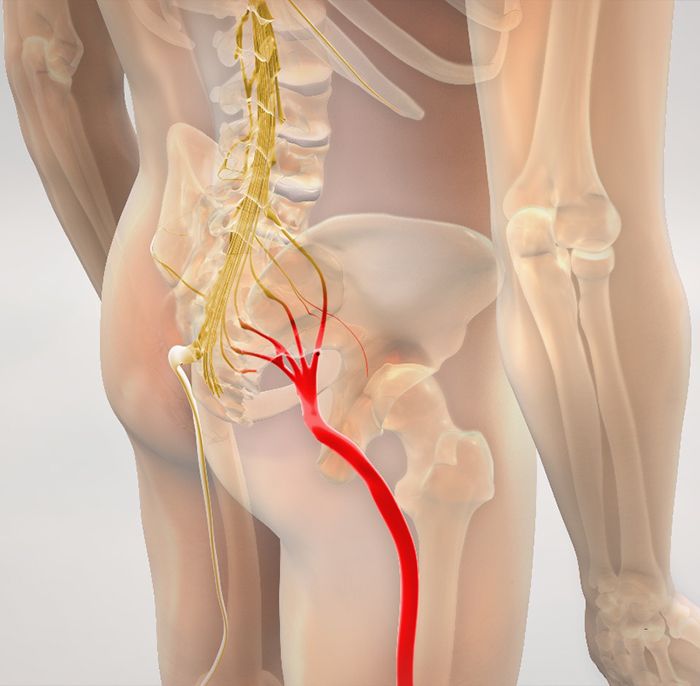
Sciatica is the term used to describe a number of conditions that affect the sciatic nerve. Each human has two sciatic nerves, and they extend from the lower back down each leg. When one of these nerves becomes inflamed or compressed, it can result in significant pain, which usually manifests in the leg.
According to some estimates, around 40% of adults suffer from sciatica at some point in their lives. Some cases are acute, meaning that they resolve as an underlying injury (the cause of the sciatica) heals. Other cases are chronic and require ongoing care.
What Are the Symptoms of Sciatica?

You might have sciatica if you are experiencing any of the following:
- Sharp or burning pain that affects the leg, often radiating down the back of the thigh or toward the lower back.
- Numbness or tingling sensations along the back of the leg, calf, or foot.
- Difficulty lifting your feet off the floor, sometimes described as foot drop.
- Shooting pain that may occur suddenly, especially when standing up from a seated position.
- Pain that worsens when sitting or standing for extended periods.
- Pain that intensifies when lying down, potentially interfering with sleep.
- Weakness in the affected leg or foot, making it hard to walk or climb stairs.
- A constant ache in one side of the buttocks.
- Muscle spasms or cramping in the leg or lower back.
- Reduced reflexes in the knee or ankle.
- Loss of coordination or balance when walking.
- In severe cases, bowel or bladder dysfunction (rare but requires immediate medical attention).
Keep in mind that sciatica is not self-diagnosable. While the above-listed symptoms can give you a strong indication of whether you have this condition, a professional medical evaluation is still important.
What Are the Risk Factors for Sciatica?

Sciatica may affect anyone, but your risk level may be especially high if:
- You are between 30 and 50 years of age. Sciatica tends to occur most frequently in this age group.
- You have a job that requires a lot of lifting or bending. When repeated often, these activities can place pressure on the sciatic nerves.
- You are sedentary. Prolonged sitting or standing, as well as a lack of regular exercise, may cause stiffness throughout your body and increase the risk of sciatica.
- You are carrying extra weight. Overweight and obesity can place pressure on your spine.
- You have diabetes. Chronically high blood sugar levels may damage your nerves.
- You have poor posture. Slouching or improper lifting techniques can be bad for your lower back, including the sciatic nerves.
- You are pregnant. Additional weight, changes to your posture, and looser ligaments may put pressure on your nerves.
How Can Sciatica Be Treated?

Some cases of sciatica resolve on their own, but if the pain is persistent or severe, or it is interfering with your ability to carry out daily activities, it is important to seek medical care.
In our office, Dr. Pinkston offers a few different non-surgical options that may provide relieve:
- A nerve block can prevent the affected nerve from sending out pain signals.
- Corticosteroid injections are effective at reducing painful inflammation.
- Nerve hydrodissection can relieve pressure on compressed nerves.
- MLS laser therapy can encourage cellular repair, reduce inflammation, and increase blood flow to the affected area.
During your consultation, Dr. Pinkston will determine which option may be right for you and answer all your questions before you get started with your treatment.