
Calcific Tendinitis Asheville
Precise & Effective Treatment for Calcific Tendinitis
Are you experiencing shoulder pain or symptoms of frozen shoulder? It is possible that your struggles are due to a condition known as calcific tendinitis (also spelled tendonitis). What exactly is calcific tendinitis, and how can you find relief? Our Asheville team treats a broad range of conditions, and we are ready to assist you! Continue reading below to get more information about this condition, or contact our office directly to request a consultation. We look forward to serving you!
What Is Calcific Tendinitis?
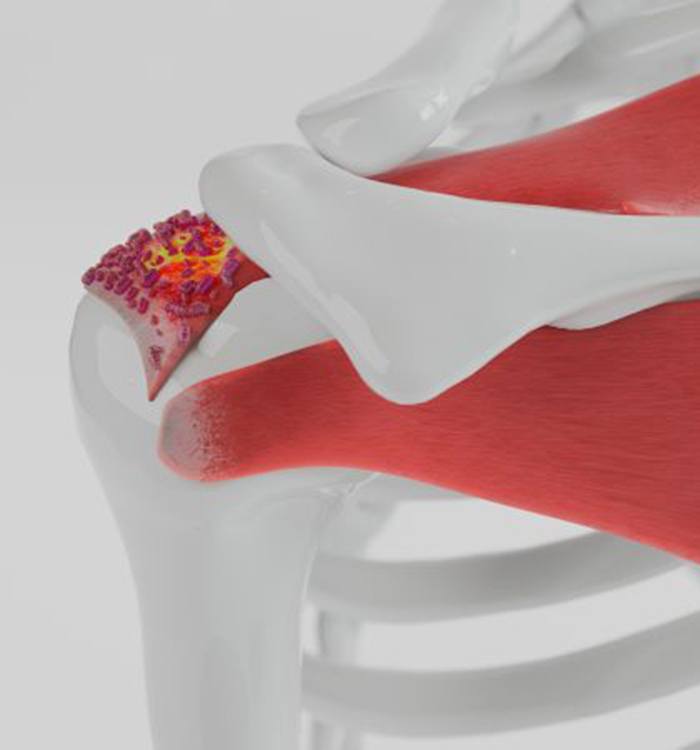
Calcific tendinitis is a musculoskeletal condition characterized by the accumulation of calcium deposits on the tendons (tendons are connective tissues that link muscles to bones). It is most common in the shoulder joint, though it can affect other areas of the body as well.
If these calcium buildups are small and soft, they might not cause any problems. However, if the condition is severe enough, it can lead to localized inflammation and discomfort, affecting both your range of motion and the function of the affected area.
What Causes Calcific Tendinitis?

The exact cause of calcific tendinitis is not always clear. However, there are several factors that can increase your risk:
- Age: This condition is more common among middle-aged and older adults.
- Gender: Calcific tendinitis affects more women than men.
- Repetitive use: Wear and tear on your joints may damage the tendons. Small, unnoticed injuries may also contribute to calcium buildup.
- Genetics: Some people are genetically predisposed to certain musculoskeletal conditions.
- Inflammation: Chronic inflammation may contribute to tendon damage and calcific tendinitis.
- Metabolic factors: Diabetes and thyroid disease are associated with a higher risk of calcific tendinitis.
What Are the Symptoms of Calcific Tendinitis?
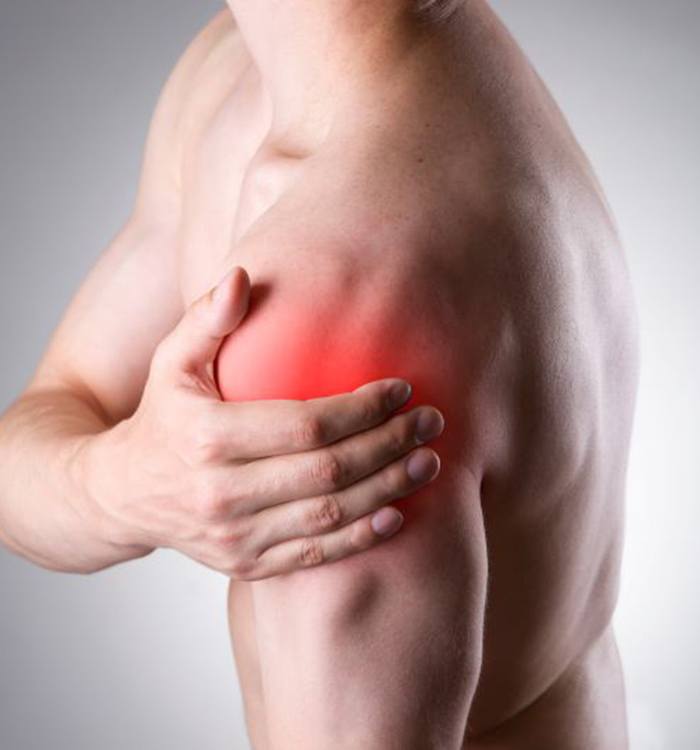
Some common symptoms of calcific tendinitis include:
- Sudden or gradually increasing pain in the affected joint, often occurring at night or with movement.
- Localized tenderness over the area of calcium deposits.
- Swelling and visible redness around the joint.
- Reduced range of motion or stiffness in the affected area.
- Weakness or difficulty using the joint for everyday activities.
- A sensation of catching or locking during movement.
- Occasional mild fever associated with severe inflammation.
How Can You Treat Calcific Tendinitis?

Calcific tendinitis often goes away on its own, but the process is slow, and you may experience significant pain as your body breaks down the calcium deposits. Fortunately, non-surgical treatments can ease discomfort and speed up the healing process. After our team evaluates your case, we will recommend your next steps.
Some at-home measures, such as rest, anti-inflammatory medications, and heat/ice therapy can reduce pain and ease inflammation. Non-surgical medical intervention, such as shockwave therapy to break up calcium deposits, can also be very helpful.
Our goal is to help you get out of pain as soon as possible and support the long-term health of your musculoskeletal system, so you can expect us to recommend the most conservative treatments that are suitable for your situation.