
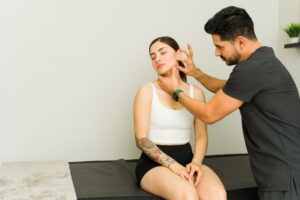
Are you tired of dealing with jaw pain, clicking and popping, sore facial muscles, and other symptoms of TMJ disorder? It is worth your time to seek out professional care! But that begs the question, what kind of treatment should you pursue? There are quite a few therapies that have the potential to provide effective symptom relief. In this blog post, you will learn how physical therapy and other non-surgical approaches might be able to help.
Physical Therapy
A physical therapist can use exercises to help strengthen the muscles in your jaw, neck, and shoulders. This can lead to improved posture and a great reduction in painful symptoms. Massage, heat, and cold therapy could also be included in your treatment plan.
Keep in mind that physical therapists only receive basic education in the jaw during standard school programs. Look for a provider who has additional training in how to treat TMJ disorder.
Jaw Exercises and Home Care
Your physical therapist — or any qualified provider, really — may demonstrate exercises that you can do at home to strengthen the muscles involved in the movement of your jaw joints. If you do them as often as directed, you may gradually notice improvements in your symptoms.
Other types of home care that can help include modifying your diet so you do not eat hard or chewy foods, working on your posture, and doing your best to minimize stress levels.
Important note: Even if home care brings some relief, you should still see a professional. They can help you understand the cause behind your problem and help you reduce the chances that your pain and other symptoms will keep recurring.
Treatment from a Non-Surgical Orthopedic Doctor
A non-surgical orthopedic doctor understands the details of the musculoskeletal system and should have a strong knowledge of how the jaw joints work. They often offer non-invasive and minimally invasive therapies that have the dual purpose of providing pain relief and addressing the underlying cause of TMJ disorder. They might recommend:
- Osteopathic manipulative therapy (OMT), which involves careful manipulation of your body to reduce pain and inflammation as well as improve mobility.
- MLS laser therapy, which uses special wavelengths of light to improve blood flow and encourage healing at a cellular level.
- Prolotherapy, which introduces a mild irritant into affected areas in order to instigate a healing response.
- Nerve hydrodissection to release trapped or pinched nerves.
Additional Options
Really, there are dozens of non-surgical methods that can be used to address TMJ disorder. For example, dentists provide custom orthotic splints that may provide relief, while chiropractors may help by reducing muscle tension and improving jaw mobility. Exploring your options might seem overwhelming at times, but it is important that you do not give up.
Start with a provider who has neuromusculoskeletal expertise. They can take images, evaluate your condition, and help you get started on the path toward relief. Hopefully, it will not be long before your symptoms are nothing but an unpleasant memory.
Meet the Practice
Dr. James Pinkston, DO, is board-certified in neuromusculoskeletal medicine. As a non-surgical orthopedic expert, he combines technology and advanced training to help patients find relief from a broad range of conditions, including TMJ disorder. To learn more about how he and our team might be able to serve you, contact our office in Asheville at 828-417-9913.