
TMJ Disorder – Asheville, NC
Embrace a Better Quality of Life
You have two temporomandibular joints (TMJs) that are located on either side of your head and attach your jawbone to the base of your skull. If stress, bite misalignment, teeth grinding, poor posture, arthritis, or other serious problems occur, it can cause inflammation and pain to form in these joints. At Asheville Non-Surgical Orthopedics, we want to not only alleviate discomfort caused by TMJ Disorder in Asheville but also improve how you use your mouth in day-to-day life. If you experience daily jaw pain, call to schedule a consultation with our team.
What is TMJ Disorder?
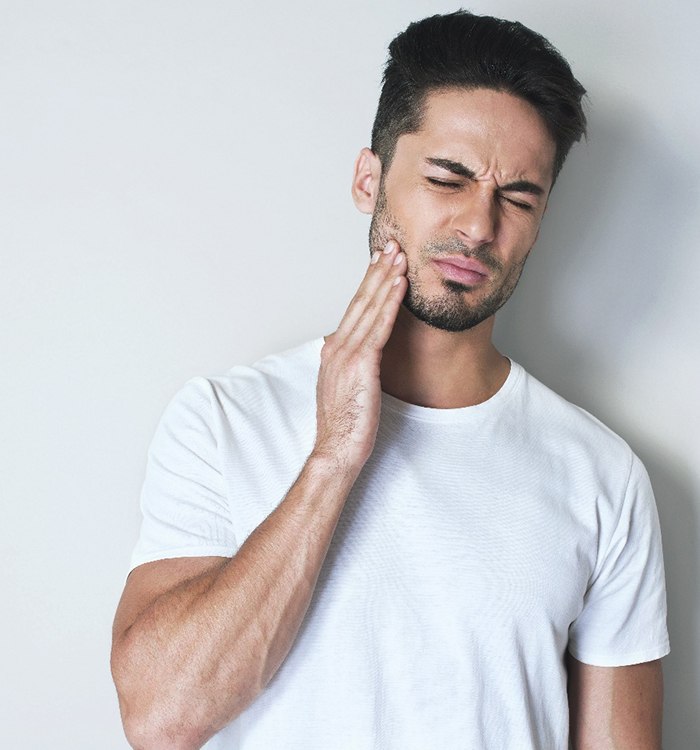
TMJ Disorder is when the hinge that connects your jawbone to the base of your skull becomes inflamed or damaged. As a result, pain and the inability to move your mouth effectively can hinder your daily life, reduce its quality, and require professional intervention to fix.
It is common for TMD (temporomandibular joint disorder) to stem from stress, a misaligned bite, teeth grinding or bruxism, and facial trauma.
Symptoms of TMJ Disorder

If you are struggling to understand the reason for your TMJ disorder, you are not alone. Many individuals want to identify the root cause so that they can resume a pain-free life. Some of the most common symptoms associated with TMJ disorder include:
- Frequent headaches or migraines
- Earaches or ringing in the ears
- Jaw pain that extends throughout the neck and shoulders
- Reduced jaw movement
- Popping or clicking when you try to open and close your mouth
- Difficulty chewing or biting down
If you notice any of these signs, don’t wait to call our office. A member of our team will discuss your symptoms over the phone and indicate when you can come in to meet Dr. Pinkston.
Alternative Therapies to Address TMJ Pain

When treating TMJ disorder, Dr. Pinkston will first need to evaluate the severity of your jaw pain. This will likely include the use of high-tech digital imaging and a thorough discussion about your lifestyle habits and current symptoms.
Using the information collected, we will develop a treatment plan that includes one of the following non-surgical orthopedic treatments in Asheville:
- Osteopathic Manipulation:Focusing on the neck and jaw, this non-surgical method helps reduce pain and inflammation, as well as improve jaw mobility and health. By incorporating various techniques, we can alleviate muscle tension and enhance jaw alignment and movement.
- MLS Laser Therapy:This method is used to increase blood flow and reduce inflammation. MLS is short for Multiwave Locked System, and it uses light to stimulate cell activity, which encourages healing while penetrating the tissues. Over time, you’ll notice greater jaw mobility, minimal pain, and fewer instances of clicking and popping.
- Prolotherapy or Hydrodissection: Considered regenerative injections for more severe TMJ disorders, the former stimulates healing while alleviating discomfort. It also encourages better jaw movement. The latter requires that we separate certain layers of tissue so that trapped nerves and tendons are released.
TMJ Treatment FAQs
What Makes TMJ Worse?
Some things that may worsen your TMD symptoms include:
- Poor posture
- Chewing on hard items, such as pen caps or your fingernails
- Consuming crunchy and chewy foods
- Excessive jaw movements, such as talking for long hours
- Improper sleeping position
- Jaw or head injuries
- Stress or anxiety
- Smoking
Can TMJ Pain Really Be Treated Without Surgery?
Yes! Since surgery is invasive and comes with some significant risks and downsides, it is always best to explore more conservative options first. The vast majority of patients respond very well to non-invasive or minimally invasive therapies.
Our team will do all we can to help you manage your symptoms and, if possible, address their underlying cause. The goal is to help you enjoy long-term relief.
If you do not respond well to conservative therapies or have an extreme case of TMD, we will guide you through every option and help you find the right type of specialist if needed.
What Can I Do at Home to Relieve TMJ/TMD Symptoms Naturally?
Natural home remedies are often effective at providing temporary relief from TMD symptoms. Even though they do not address the underlying cause of the disorder, they can be very beneficial for some patients. Here are some things you might try:
- Dietary changes. Focus on eating soft, nutritious foods that require little to no chewing. Avoid chewing gum and other hard foods such as nuts, granola, and carrots.
- Manage stress. Muscle tension and teeth grinding, both of which are related to stress, can exacerbate TMD symptoms. Take some time each day to unwind. Some people find that meditation, breathing exercises, a warm bath, or some quiet reading time helps them relax. If your stress is extreme or chronic, you might benefit from professional mental health care.
- Jaw stretches, exercises, and massages. Certain movements may strengthen the muscles around your jaw joints to improve overall function. Massaging tender jaw muscles may relieve tension temporarily, thereby improving circulation and decreasing discomfort.
- Apply topical pain ointments. Certain topical pain creams can help alleviate pain and inflammation in the jaw and surrounding areas. Over-the-counter topical creams, such as Biofreeze and Tiger Balm, provide fast-acting temporary relief. If OTC pain creams do not provide relief, we can prescribe a medical grade CBD cream to address pain and inflammation.
- Posture Awareness. Posture can play a crucial role in the health of your TMJs. Work on actively improving your posture to ensure your head and neck are properly aligned when you are sitting at a desk or looking at your phone. This will take pressure off your jaw and upper neck.
What Are Some TMJ Exercises That I Can Do at Home?
There are quite a few exercises that might help with TMD symptoms. Here is one method that has proven helpful for a lot of patients:
- Chin tucks. Gently tuck your chin back toward your chest. Hold for 3 – 5 seconds and repeat this process 10 times.
- Side slide. Open your mouth with teeth slightly apart, then move your jaw slowly from side to side in a controlled motion. Do this 10 times, 2 – 3 times per day to support overall jaw mobility.
- Relaxed Jaw Exercises. Holding your tongue in place, slowly open your mouth until you feel your tongue being pulled away. Hold this position for 5 seconds before you close your mouth. Repeat this process slowly for 5 minutes twice a day.
Why Does My Jaw Click or Pop, and Is It Dangerous?
Your jaw joints have disc-like cushions in them. When these discs get displaced, there can be a popping or clicking noise when they snap back into position.
For most people, an occasional popping sensation is nothing to worry about; it may occur if you accidentally open your mouth too wide. However, frequent clicking and popping is a major indicator of TMJ disorder, which can worsen over time and can lead to permanent joint damage if it does not receive appropriate care.
We recommend scheduling a consultation with our specialists if you experience any of the following alongside jaw clicking or popping:
- Pain or tenderness in or around the jaw joint and upper neck region
- Jaw locking or limited range of motion
- Frequent headaches or earaches
- Clicking that becomes frequent or more pronounced over time
The earlier an underlying issue is identified, the easier it is to address through non-surgical orthopedic care.
Can TMJ/TMD Cause Headaches, Ear Pain, or Neck Pain?
Yes. TMJ/TMD can cause many symptoms that go beyond the jaw. For example, it can cause muscle tension that leads to headaches and neck pain. It can even serve as a trigger for migraine attacks. Ear pain is also common because the jaw joints are so close to the ears; inflammation in the jaw joints can irritate sensitive tissues in your ears.
Do I Need an MRI or X-Ray to Diagnose TMJ?
Imaging is not usually required to diagnose TMJ/TMD disorders. A thorough clinical evaluation should be the first step. During the consultation process, Dr. Pinkston will do a hands-on evaluation to assess your symptoms and areas of discomfort. If your symptoms are complex, persistent, and not responding to non-surgical treatment options, imaging may be needed to create a custom treatment plan tailored to your individual needs.
What Are the Biggest Risk Factors for TMJ Disorder?
There are quite a few factors that increase your risk of developing TMJ disorder. Some of those factors are within your control, such as your posture, how you manage stress, and how you use your jaw joints on a daily basis. Other risk factors are not modifiable. For example, TMD occurs more frequently in women of childbearing age (between 20 and 50) than it does in other groups, perhaps due to hormones or minor differences in jaw anatomy between men and women. The natural development of your teeth and jaws and inherited conditions are other factors that you cannot control.
Will TMD Ever Go Away on Its Own?
Many people with TMJ disorder find that their symptoms are not constant. You might go through a period of days or weeks where the pain is very noticeable, followed by a period when you are pain-free. That does not mean that the underlying problem has been solved. Rather, as long as you do not get appropriate treatment, flare-ups are likely to continue.
With the use of advanced imaging and careful diagnostic processes, Dr. Pinkston and our team can help you figure out why your symptoms are occurring and lead you toward long-term relief.
What Type of Medical Professional Should I See for Treatment of TMJ Disorder?
There are quite a few types of medical professionals who offer TMJ treatment services. In addition to non-surgical orthopedists like Dr. Pinkston, many dentists, oral surgeons, chiropractors, orthodontists, ENT doctors, and physical therapists also offer effective treatments.
The most qualified person to assist you depends on what is causing your symptoms and whether or not you have already tried the most conservative TMJ treatment options. When you consult with us, we will learn the details of your situation and perform an examination so we can realistically determine whether we are a good choice for your unique situation. We can help most people with TMJ disorder, but other specialized care is necessary in some cases to optimize outcomes.
Is TMJ Treatment Expensive?
The cost of your treatment plan will depend on its details. Our Asheville team will provide you with detailed pricing information and make sure you understand our financial policies. We strive to charge reasonable fees that reflect the level of service we provide.
Typically, non-invasive therapies cost less than surgical intervention. However, you should still be prepared to invest in the long-term health and function of your jaw joints.
Is It Possible to Permanently Cure TMJ Disorder?
Our goal is always to help you find long-term relief from your symptoms. In many cases, we are able to address the underlying cause of TMJ disorder. Many patients find that their pain goes away and stays away!
However, it is important to acknowledge that as your circumstances change, TMD symptoms can return. For example, if you suffer an injury, face new life stressors, or develop arthritis, that can cause new bouts of TMJ disorder that might require a different approach to treatment than what proved to be effective during your first treatment journey.